

Watching a baby go through teething can be both exciting and challenging for parents. Teething typically begins between four to seven months of age, when the first tiny teeth start pushing through tender gums. This natural milestone marks an important step in a child’s development, but it often comes with discomfort that can affect sleep, eating, and overall mood.
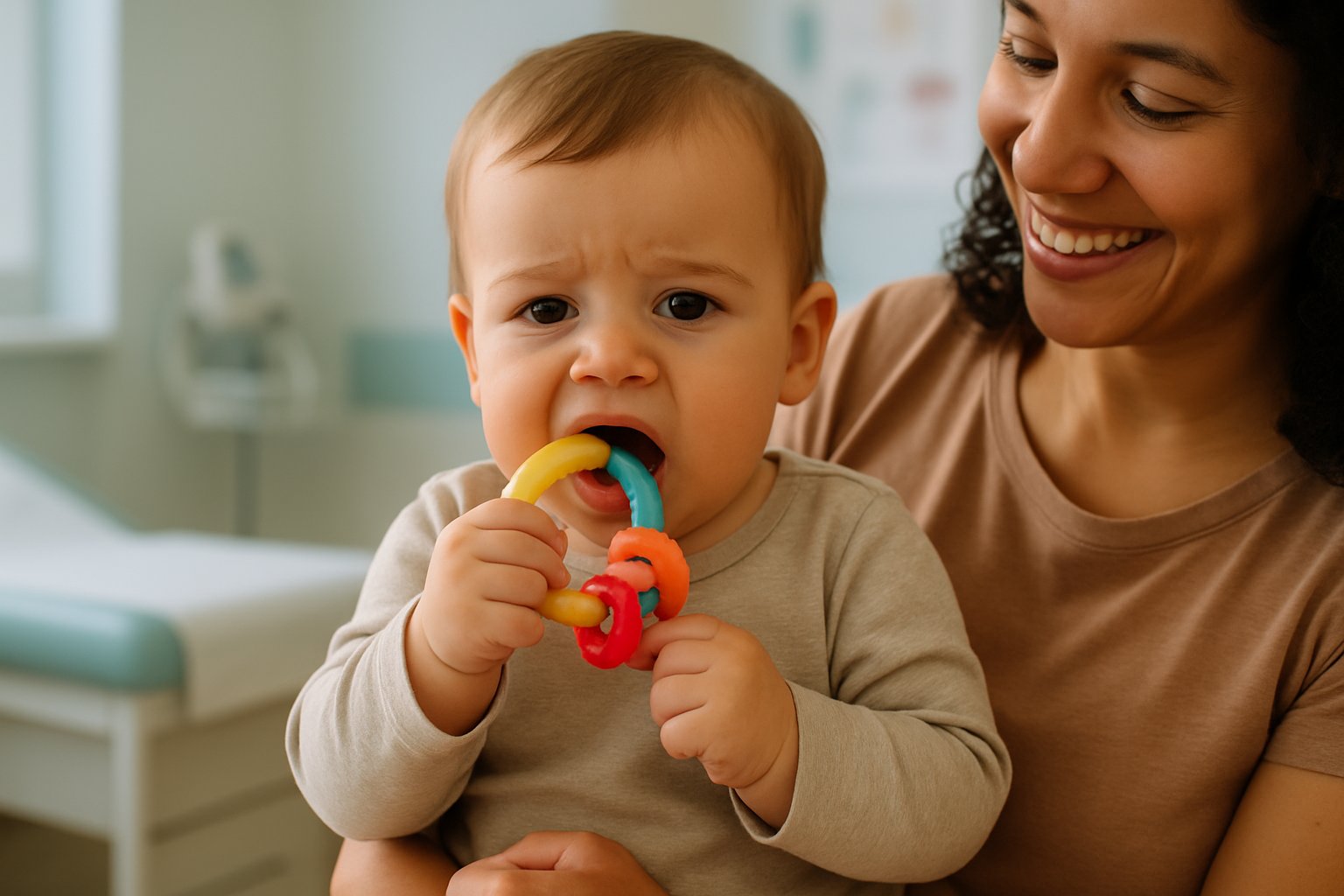
The teething process involves all 20 baby teeth gradually emerging over the course of about two and a half years. While some children sail through teething with minimal fuss, others experience more noticeable discomfort as each tooth breaks through the gum line. Understanding what to expect during this phase helps parents feel more confident about supporting their little ones.
Many parents worry about distinguishing normal teething symptoms from signs of illness. Common teething signs include drooling, wanting to bite objects, swollen gums, and difficulty sleeping, but knowing safe comfort strategies makes all the difference. With the right approach, families can navigate this important developmental stage while establishing healthy dental habits that last a lifetime.
Key Takeaways
- Teething begins around four to seven months and continues until all 20 baby teeth emerge by age two and a half
- Safe comfort strategies and proper symptom recognition help parents support their children through teething discomfort
- Establishing good oral care habits during teething sets the foundation for lifelong dental health
Understanding Teething In Children
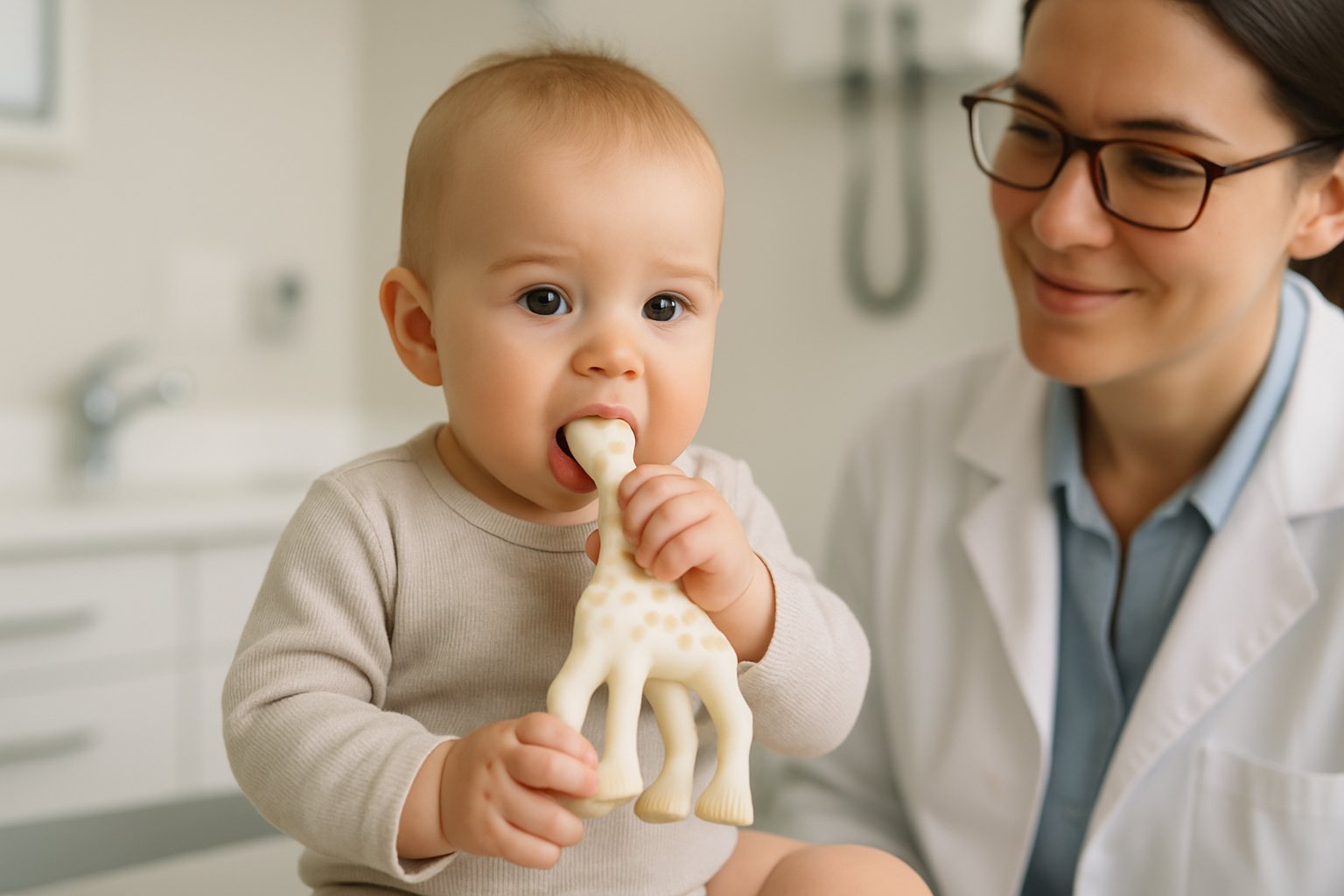
Teething marks a significant developmental milestone where baby teeth emerge through the gums, typically beginning around six months of age. This natural process follows predictable stages and timelines that help parents know what to expect.
What Is Teething?
Teething occurs when teeth begin to break through the gums of a baby or child. This natural developmental process involves primary teeth pushing up through the gum tissue to emerge in the mouth.
The process creates pressure against the gums as each tooth works its way to the surface. This pressure can cause discomfort for some children, while others experience little to no pain during eruption.
Primary teeth, also called baby teeth, serve important functions beyond just chewing. They help children learn to speak properly and maintain space for permanent teeth that will eventually replace them.
Each child’s teething experience is unique. Some babies sail through the process with minimal fuss, while others may experience more noticeable discomfort and changes in behavior.
When Do Babies Start Teething?
Teething usually starts between four to seven months, though the timing varies significantly among individual children. Some babies get their first tooth as early as three months, while others don’t see their first tooth until closer to their first birthday.
A baby’s first tooth usually appears between the ages of five and seven months. The central incisors – the two middle bottom teeth – typically emerge first.
Common signs that teething has begun include:
- Increased drooling
- Desire to chew on objects
- Swollen or tender gums
- Changes in eating patterns
- Sleep disruptions
Parents shouldn’t worry if their child’s timeline differs from these averages. Genetics, nutrition, and individual development all influence when teething begins.
Stages Of Baby Teeth Development
The eruption of primary teeth follows a predictable sequence that spans approximately two years. The two front teeth (central incisors), either upper or lower, usually appear first, followed by the opposite front teeth.
Typical eruption order:
| Age Range | Teeth | Location |
|---|---|---|
| 6-10 months | Central incisors | Bottom front |
| 8-12 months | Central incisors | Top front |
| 9-13 months | Lateral incisors | Sides of front teeth |
| 13-19 months | First molars | Back teeth for chewing |
| 16-23 months | Canines | Pointed teeth next to incisors |
| 25-33 months | Second molars | Back teeth |
The first molars come in next, followed by the canines or eyeteeth. This sequence allows children to develop chewing ability gradually.
By the time children are 30 months (two and one-half years) old, all 20 baby teeth are usually present. The molars often cause more discomfort than incisors due to their larger size and broader surface area.
Recognizing Teething Symptoms

Parents can identify when their child is teething by watching for specific physical and behavioral changes. The most reliable indicators include increased drooling, gum swelling, and a strong urge to chew on objects.
Common Signs Of Teething
Teething symptoms can start as early as 3 months old, though they typically appear between 4 and 7 months of age. Parents should look for several key indicators that signal their baby’s teeth are preparing to emerge.
Increased irritability often becomes the first noticeable change in a teething baby’s behavior. Children may cry more frequently or seem generally unsettled without an obvious cause.
Changes in sleep patterns frequently accompany the teething process. Babies might wake more often during the night or have difficulty falling asleep due to discomfort.
Loss of appetite can occur as sore gums make eating uncomfortable. Some children may refuse their usual foods or show less interest in feeding times.
The urge to bite or gnaw on fingers, toys, or other objects increases significantly during teething periods. This natural response helps babies apply pressure to their gums for relief.
Gum Pain And Tenderness
Gum swelling represents one of the most common teething symptoms that parents can easily observe. The affected gum tissue often appears red, swollen, and sensitive to touch.
Parents can gently examine their child’s gums by lifting the lip with clean fingers. Swollen areas typically feel firmer than normal gum tissue and may show visible inflammation.
White or pale spots on the gums sometimes indicate where teeth are about to break through the surface. These areas often feel particularly tender when touched.
Children experiencing gum pain may rub their face or ears more frequently than usual. This behavior occurs because pain from teething can radiate to other areas of the head and face.
Temperature sensitivity in the mouth may cause babies to reject cold or warm foods they previously enjoyed. Room temperature foods often become more acceptable during active teething periods.
Drooling And Facial Rash
Excessive drooling serves as one of the most recognizable signs of teething in babies and young children. The increased saliva production helps soothe irritated gums naturally.
Heavy drooling typically begins several weeks before teeth actually emerge through the gum line. Parents may notice their child’s clothes becoming damp more frequently throughout the day.
Facial rashes often develop around the mouth, chin, and cheek areas due to constant moisture from drooling. The skin in these areas may appear red, irritated, or slightly raised.
Chin and neck irritation can worsen if excess drool pools in skin folds. Keeping these areas clean and dry helps prevent more serious skin problems from developing.
Some babies experience changes in bowel movements during heavy drooling periods, though this occurs from swallowing excess saliva rather than the teething process itself.
Chewing And Fussiness
The strong desire to chew represents a natural response that helps teething babies relieve gum pressure and discomfort. This behavior intensifies as teeth move closer to breaking through the gum surface.
Gnawing on hands becomes increasingly common as babies discover this provides direct pressure to sore gums. Parents often notice red marks or indentations on their child’s fingers from frequent chewing.
Biting during feeding may occur as babies seek relief from nursing or bottle feeding pressure against tender gums. This behavior typically happens without warning and can surprise caregivers.
Rejecting favorite toys sometimes occurs when familiar textures no longer provide adequate relief. Babies may show preference for harder objects that offer more substantial pressure against their gums.
General fussiness tends to peak in the days immediately before tooth eruption. Children can become unsettled when they teethe, making normal daily routines more challenging for families.
Safe Comfort Strategies For Teething Babies
Several proven methods can help ease a baby’s teething discomfort without relying on medications. These techniques focus on gentle pressure, cold therapy, and providing safe items for babies to chew on during this challenging developmental phase.
Gum Massage Techniques
Parents can provide immediate relief by gently rubbing the gums with a cool, damp washcloth. This simple technique applies gentle pressure that counteracts the discomfort from emerging teeth.
Clean hands work just as effectively as washcloths for gum massage. Parents should wash their hands thoroughly, then use a clean finger to gently massage the sore areas in circular motions.
The pressure should be firm but gentle. Too much force can increase discomfort, while too little won’t provide relief.
Timing matters for gum massage effectiveness. The technique works best when applied before feeding times or when the baby shows early signs of fussiness.
Cold washcloths provide additional numbing benefits beyond simple pressure. Parents can dampen a clean washcloth with cool water and place it in the refrigerator for 10-15 minutes before use.
Choosing Teething Rings And Teethers
Safe teething toys and firm rubber teething rings give babies something appropriate to chew while protecting their developing teeth and gums.
Avoid these dangerous options:
- Teething rings with fluid inside
- Plastic objects that might break
- Teething necklaces that pose strangulation risks
Solid rubber or silicone teething rings provide the safest choice. These materials can withstand repeated chewing without breaking into small pieces that create choking hazards.
Textured surfaces on teething toys can enhance the soothing effect. Gentle ridges and bumps provide varied sensations that help massage sore gums as babies chew.
Size requirements are critical for safety. Teething toys should be large enough that babies cannot swallow them entirely, but small enough for tiny hands to grasp comfortably.
Refrigerated teething rings offer extra comfort through cold therapy. Parents should place rings in the refrigerator for 30 minutes before giving them to babies, but never in the freezer where they become too hard.
Soothing With A Pacifier Or Cold Cloth
Pacifiers provide consistent gentle pressure that many teething babies find comforting. The sucking motion creates a rhythmic massage effect on irritated gums.
Cold therapy options include chilled pacifiers and cold, soft foods for babies who have started eating solids. These provide numbing relief that temporarily reduces pain signals.
Clean, damp washcloths stored in the refrigerator become versatile comfort tools. Babies can safely chew on the textured fabric while benefiting from the cold temperature.
Parents should replace pacifiers regularly and inspect them for cracks or tears that could create choking hazards. Damaged pacifiers must be discarded immediately.
Temperature guidelines ensure safety with cold therapy. Items should feel cool to the touch but not frozen solid, which could damage delicate gum tissues or stick to the baby’s mouth.
Managing Discomfort And Avoiding Myths
Parents often worry unnecessarily about teething symptoms while overlooking serious conditions that require medical attention. Understanding which remedies are safe and which symptoms actually stem from teething helps caregivers make informed decisions about their child’s health.
What Teething Does Not Cause
Teething gets blamed for many symptoms that actually indicate other health issues. High fevers above 101°F are not caused by teething and may signal infections requiring medical evaluation.
Common teething myths include attributing ear infections, diarrhea, and vomiting to emerging teeth. These symptoms often coincide with teething age but stem from different causes entirely.
Serious conditions mistakenly blamed on teething:
- Ear infections causing severe pain and fever
- Urinary tract infections leading to irritability and fever
- Meningitis presenting with high fever and lethargy
- Respiratory infections causing congestion and coughing
Parents should monitor fever patterns carefully. Teething may cause slight temperature increases but never dangerous fevers that require immediate medical attention.
Safe And Unsafe Teething Gels
The FDA warns against using teething gels containing benzocaine or lidocaine due to serious health risks. These ingredients can cause methemoglobinemia, a potentially fatal blood condition in infants.
Teething gels marketed as safe often contain dangerous numbing agents that provide temporary relief but pose significant risks. Benzocaine products can reduce oxygen levels in blood to dangerous levels.
Unsafe teething products to avoid:
- Gels containing benzocaine or lidocaine
- Homeopathic tablets with inconsistent ingredients
- Numbing sprays designed for adult use
- Products with alcohol or aspirin
Parents should read ingredient labels carefully before purchasing any teething remedies. Natural alternatives like chilled washcloths or rubber teething rings provide safer relief options.
Pain Relief Options
Safe pain management focuses on natural methods and appropriate medications when necessary. Infant acetaminophen or ibuprofen can reduce discomfort when used according to pediatric dosing guidelines.
Effective teething remedies include cold objects for chewing and gentle gum massage. Chilled teething rings or frozen washcloths provide numbing relief without chemical risks.
Safe comfort measures:
- Cold teething rings or textured toys
- Chilled fruit in mesh feeders for older babies
- Gentle finger massage on gums
- Age-appropriate pain relievers as directed
Counter-pressure from chewing helps relieve gum pressure naturally. Parents can offer firm foods like toast crusts or bagels to babies who have started solids.
When To Consult A Doctor
Medical consultation becomes necessary when symptoms exceed normal teething discomfort. Persistent high fevers, signs of dehydration, or unusual behavioral changes warrant professional evaluation.
Healthcare providers can distinguish between teething symptoms and serious infections. Parents should trust their instincts when something seems wrong beyond typical fussiness.
Red flags requiring medical attention:
- Fever above 101°F lasting more than 24 hours
- Refusal to eat or drink for extended periods
- Signs of ear pain like head shaking or ear pulling
- Excessive drooling with difficulty swallowing
Emergency situations include signs of dehydration, breathing difficulties, or extreme lethargy. These symptoms never result from teething alone and indicate potentially serious underlying conditions requiring immediate care.
Caring For New Baby Teeth
Proper care of primary teeth begins the moment they appear and establishes the foundation for lifelong oral health. Parents can protect these early teeth through consistent daily habits and careful monitoring of their child’s dental development.
Early Oral Care Habits
Parents should begin caring for their baby’s mouth even before teeth appear. Wiping the baby’s gums with a washcloth after each meal removes bacteria and food particles that can cause problems later.
Once the first tooth emerges, parents can start brushing with a baby toothbrush and a tiny smear of fluoride toothpaste. The brush should have soft bristles designed specifically for infants.
Daily cleaning routine:
- Clean gums and teeth at least twice daily
- Use gentle circular motions
- Focus on all surfaces of each tooth
- Replace toothbrushes every 3-4 months
Parents should make brushing a positive experience by singing songs or making it playful. This helps children develop comfort with oral care routines early.
Protecting Primary Teeth
Baby teeth require protection from decay and damage just like adult teeth. Parents should never put babies to bed with bottles of milk or juice, as this practice causes severe tooth decay known as baby bottle tooth decay.
Primary teeth serve crucial functions beyond chewing. They guide permanent teeth into proper positions and support jaw development.
Key protection strategies:
- Limit sugary drinks and snacks
- Offer water between meals
- Avoid sticky candies and foods
- Use sippy cups sparingly
- Schedule regular dental checkups
Caring for baby teeth is just as important as caring for adult teeth because decay or early loss can require orthodontic treatment later. Parents should treat these temporary teeth with the same attention they would give permanent ones.
Monitoring Teething Progress
Teething typically begins between four to seven months, with front teeth usually appearing first. Parents should track which teeth emerge and when to identify any unusual patterns.
The standard eruption sequence follows a predictable pattern. Lower central incisors come first, followed by upper central incisors, then lateral incisors, first molars, canines, and second molars.
Signs to watch for:
- Excessive drooling
- Fussiness or irritability
- Desire to chew on objects
- Changes in eating or sleeping patterns
- Swollen or tender gums
Parents should contact their pediatric dentist if teeth don’t appear by 15 months or if they notice unusual discoloration, chips, or spacing issues. Early intervention can prevent more serious problems and ensure healthy development of both primary and permanent teeth.
Frequently Asked Questions
Parents often experience uncertainty when their child begins teething, wondering about normal symptoms and effective comfort measures. Understanding the typical timeline, recognizing common signs, and knowing proven soothing techniques can help families navigate this developmental milestone with greater confidence.
What are the typical signs that indicate my child is starting to teethe?
The most common teething symptoms include increased drooling, chewing on objects, irritability or fussiness, and swollen gums. Parents may also notice changes in their child’s sleep patterns as discomfort disrupts normal rest.
Many children experience tender or sore gums that make them particularly irritable during this phase. The discomfort comes from the pressure of emerging teeth pushing against the gum tissue.
Some babies may show decreased appetite or reluctance to eat solid foods. The pressure from chewing can intensify gum discomfort, making mealtimes challenging.
Parents should monitor their child’s behavior for these combined signs rather than relying on a single symptom. Every child experiences teething differently, with some showing minimal discomfort while others display more pronounced symptoms.
Can you share some effective remedies to soothe a teething baby?
Cooled teething rings and teething gels provide relief by reducing inflammation and numbing discomfort. Cold temperatures help numb sore gums while giving babies something safe to chew on.
Gentle gum massage with a clean finger can provide temporary relief. The counter-pressure helps ease the discomfort from emerging teeth pushing through gum tissue.
Offering cold washcloths or refrigerated pacifiers gives children safe chewing options. These items should be cool but not frozen, as extreme cold can damage sensitive gum tissue.
Parents can provide age-appropriate chilled foods like cucumber slices or frozen fruit in mesh feeders. These options combine nutrition with natural pain relief for older babies who have started solid foods.
Is there a usual age range when children begin teething, and what variations are considered normal?
Most babies begin teething around 6 months of age, though the process can start as early as 3 months. Some children may not begin teething until closer to their first birthday, which remains within normal ranges.
The timing of tooth eruption is genetic, meaning late-teething parents often have late-teething children. Family history provides a good indicator of when a child might begin the teething process.
The typical teething window spans from 3 to 12 months of age. Parents should not worry if their child falls outside the average 6-month timeframe, as individual variation is completely normal.
Children are born with a full set of teeth beneath their gums. The eruption timeline depends on individual development rather than external factors parents can control.
How can I help my teething baby sleep comfortably through the night?
Establishing a consistent bedtime routine becomes especially important during teething phases. The familiar sequence of activities helps signal sleep time despite increased discomfort.
Offering a cold teething toy or pacifier before bed can provide initial relief. The cooling effect may last long enough to help the child fall asleep more easily.
Parents should consider adjusting room temperature slightly cooler than usual. The cool environment can provide additional comfort for inflamed gums throughout the night.
Gentle rocking or additional comfort measures may be necessary during peak teething periods. Extra attention during bedtime routines can help compensate for physical discomfort.
What are the common symptoms of teething in breastfed babies and how can I comfort my child?
Breastfed babies may show increased nursing frequency as sucking provides natural comfort for sore gums. The nursing action creates gentle pressure that can temporarily relieve teething discomfort.
Some breastfed babies may bite during nursing sessions as their gums become more sensitive. Mothers can gently break the latch and offer appropriate teething toys to redirect this behavior.
The antibodies in breast milk may help reduce inflammation in tender gum tissue. Continued breastfeeding provides both nutritional and comfort benefits during the teething process.
Nursing positions may need adjustment if babies become fussier during feeding. Finding comfortable positions that don’t put additional pressure on sore gums helps maintain feeding routines.
Are there any particular reasons why some babies might begin teething earlier than others?
Genetic factors play the primary role in determining teething timeline variations between children. Parents who experienced early or late teething often see similar patterns in their children.
Individual developmental rates affect when teeth begin to emerge through gum tissue. Some babies reach developmental milestones earlier or later than average across multiple areas.
Nutritional factors and overall health can influence teething timing, though genetics remains the strongest predictor. Well-nourished babies typically follow their genetic teething timeline without significant delays.
Environmental factors have minimal impact on when teething begins compared to inherited traits. Parents cannot significantly speed up or delay their child’s natural teething process through external interventions.