

Teething represents one of the most significant developmental milestones in a child’s early years, marking the emergence of their first set of teeth through tender gums. This natural process affects virtually every baby and can create challenges for both children and parents as they navigate this important phase together.
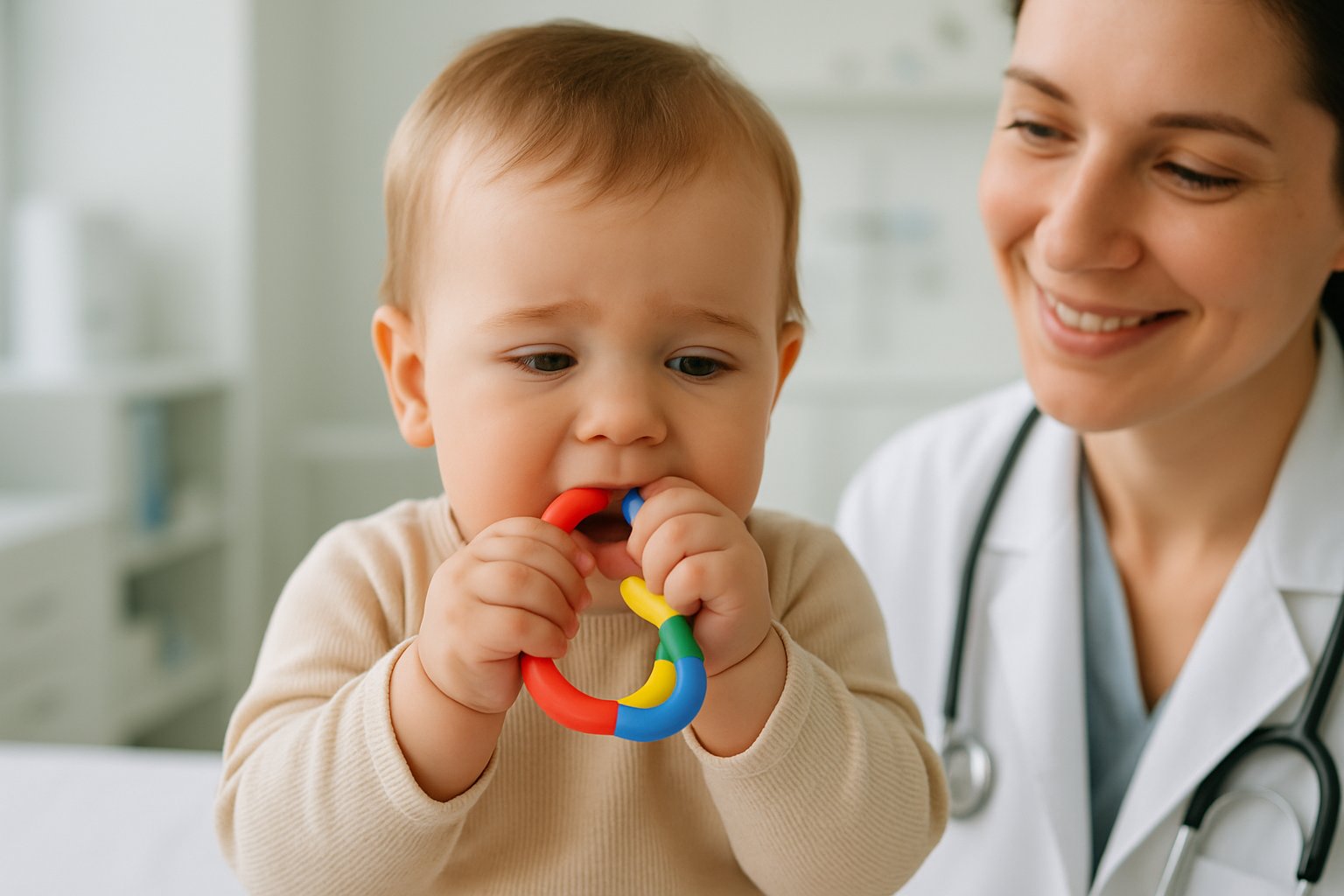
Most babies begin teething between four to seven months of age, though the timeline can vary significantly from child to child, with some starting as early as three months while others may not begin until nearly their first birthday. Understanding this wide range of normal development helps parents recognize that each child follows their own unique teething schedule without cause for concern.
The teething process involves all 20 baby teeth eventually breaking through the gums, typically completing by the time children reach two and a half years old. While this journey can bring discomfort and sleepless nights, knowing what to expect and how to provide comfort makes the experience more manageable for families navigating this important developmental stage.
Key Takeaways
- Teething typically begins between four to seven months but timing varies widely among individual children
- Parents can use safe comfort measures like cooled teething rings to help soothe their child’s discomfort
- Proper dental care should begin as soon as the first tooth appears to establish healthy oral hygiene habits
Understanding Teething in Children

Teething marks a significant developmental milestone when a baby’s first teeth begin breaking through their gums. This natural process typically starts between 4-7 months of age and involves the gradual eruption of 20 primary teeth over approximately two and a half years.
What Is Teething?
Teething is the process of teeth growing and breaking through the gums, representing a normal developmental stage for babies. When a baby is born, their first set of teeth is already almost completely formed inside the jaws, positioned just under the gums.
The process involves teeth gradually pushing upward through the gum tissue. This creates pressure that can cause discomfort for some children, while others experience minimal pain.
Teething occurs when teeth begin to break through the gums of a baby or child. The pressure of the tooth against the gum tissue causes the various symptoms parents observe during this developmental phase.
When Do Babies Start Teething?
Typical Timeline:
Teething usually starts between four to seven months, though some babies begin as early as 3 months. Most children have all 20 of their primary teeth by their third birthday.
Tooth Eruption Order:
The two front teeth (central incisors), either upper or lower, usually appear first. Generally the two bottom front teeth will appear first, followed about 4 to 8 weeks later by the four upper teeth.
The first molars come in next, followed by the canines or eyeteeth. A complete set of 20 primary or first teeth usually develops by 2½ years.
Why Does Teething Happen?
Teething represents the body’s natural preparation for solid food consumption and proper speech development. Primary teeth serve as placeholders for permanent teeth, guiding their proper positioning and alignment.
These first teeth play crucial roles in a child’s development. They enable proper chewing of solid foods, supporting nutritional needs as children transition from milk-based diets.
Primary teeth also contribute to speech development by helping children form sounds correctly. The teeth provide necessary structure for tongue placement during speech formation.
Additionally, baby teeth maintain proper spacing in the jaw for permanent teeth. They preserve the correct amount of space needed for adult teeth to emerge properly later in childhood.
Stages and Timeline of Baby Teeth

Baby teeth typically emerge between 6 months and 3 years of age, following a predictable pattern that starts with front incisors and progresses to back molars. Understanding this natural sequence helps parents know what to expect as their child’s smile develops through distinct stages.
Order of Tooth Eruption
The teething process follows four distinct stages that unfold over approximately two and a half years. This predictable pattern allows parents to anticipate which teeth will appear next.
Stage 1 typically begins around 6 months when the lower central incisors emerge. These bottom front teeth are usually followed by the upper central incisors within a few weeks.
Stage 2 occurs between 8-12 months as the lateral incisors appear. The upper lateral incisors generally come in first, followed by the lower ones.
Stage 3 brings the first molars around 12-16 months. These larger grinding teeth appear before the canines, creating temporary gaps in the smile.
Stage 4 completes the primary set between 16-30 months. The pointed canine teeth fill the gaps, followed by the second molars at the very back.
Primary Teeth and Their Types
A complete set of primary teeth contains 20 teeth total – 10 on top and 10 on the bottom. Each type serves a specific function in chewing and speech development.
Incisors are the eight front teeth designed for biting and cutting food. The four central incisors appear first, followed by the four lateral incisors on either side.
Canines are the four pointed teeth that help tear food. These sharp teeth emerge after the first molars, creating the distinctive toddler smile with temporary gaps.
Molars include eight grinding teeth at the back of the mouth. The first molars have four cusps for crushing food, while second molars are larger with more complex chewing surfaces.
Primary teeth are smaller and whiter than permanent teeth. They also have thinner enamel, making them more susceptible to decay if proper care isn’t maintained.
Timing for Incisors and Molars
Incisors typically emerge between 6-12 months, with most babies getting their first tooth around 6 months of age. The lower central incisors usually appear first, followed by upper central incisors within 2-4 weeks.
Lateral incisors complete the front teeth between 8-12 months. Upper lateral incisors often emerge before lower ones, though this timing can vary between children.
First molars arrive between 12-16 months, marking a significant milestone in chewing ability. These teeth can cause more discomfort due to their larger size and broader chewing surface.
Second molars are the final primary teeth to emerge, typically appearing between 20-30 months. These large back teeth complete the set and enable children to chew most foods effectively.
Some children may experience delays or variations in this timeline. Each child’s teething schedule can differ slightly, with genetics playing a significant role in timing.
Recognizing Teething Symptoms
Parents can identify when their child is teething by watching for specific behavioral and physical changes that typically appear between 4 and 7 months of age. Understanding the difference between normal teething discomfort and signs of illness helps ensure children receive appropriate care.
Common Signs of Teething
The most recognizable teething symptoms include excessive drooling that may cause skin irritation around the mouth and chin. Parents often notice their baby putting everything in their mouth as increased chewing helps relieve pressure on emerging teeth.
Physical symptoms commonly observed include:
- Red, swollen, or tender gums
- Increased fussiness or irritability
- Changes in eating or sleeping patterns
- Pulling at ears due to referred gum pain
Children may show increased clinginess and want extra comfort from caregivers. Sleep disruptions are common as discomfort tends to worsen at night when children lie flat.
Teething symptoms usually intensify a few days before each tooth breaks through the gum surface. The discomfort typically subsides once the tooth fully emerges.
Teething Versus Other Common Illnesses
Parents should understand that teething does not cause colds, rashes, diarrhea, or fever. If children develop these symptoms while teething, they likely have an unrelated illness requiring separate evaluation.
Teething does NOT cause:
- High fever above 101°F
- Severe diarrhea or vomiting
- Persistent cough or congestion
- Urinary tract infections
- Ear infections (though ear pulling is common)
When serious symptoms like high fever, difficulty breathing, or signs of meningitis occur alongside teething age, parents should seek immediate medical attention. These conditions require prompt treatment regardless of teething timing.
Mild temperature elevation under 100.4°F may accompany teething, but significant fevers indicate other health issues. Parents should evaluate illness symptoms independently from teething-related discomfort.
When to See a Healthcare Provider
Parents should consult their pediatrician when children show prolonged irritability lasting more than a few days or refuse to eat or drink. Persistent sleep disruption that doesn’t improve with comfort measures also warrants professional guidance.
Contact a healthcare provider for:
- Fever above 101°F
- Signs of dehydration
- Persistent vomiting or diarrhea
- Extreme fussiness that comfort measures cannot soothe
Professional evaluation becomes necessary when parents cannot distinguish between normal teething discomfort and potential illness. Healthcare providers can assess whether symptoms require treatment beyond typical teething remedies.
Trust parental instincts when something seems unusual about a child’s behavior or symptoms. Early consultation provides peace of mind and ensures children receive appropriate care during this natural developmental phase.
Comforting a Teething Child
Parents can effectively ease their child’s teething discomfort through gentle massage techniques, appropriate teething toys, and proven soothing methods. These approaches work by providing counter-pressure to swollen gums and giving children safe objects to chew.
Safe Soothing Techniques
Safely soothing teething pain requires careful attention to what methods parents choose. Cold washcloths offer immediate relief when placed in the refrigerator for a few minutes before giving them to the child.
Safe options include:
- Chilled spoons pressed gently against gums
- Cold fruit in mesh feeders
- Refrigerated pacifiers
- Clean fingers for gentle pressure
Parents should avoid numbing gels containing benzocaine or lidocaine, as these can pose serious health risks. Comforting cuddles and gentle rocking provide emotional comfort during painful episodes.
Room temperature or slightly cool items work best. Frozen objects can damage sensitive gum tissue and should be avoided entirely.
Using Teething Rings and Teethers
Teething rings and teethers give children appropriate objects to bite and chew safely. The best teethers are made from solid silicone or rubber without small parts that could break off.
Effective teether features:
- Multiple textures for varied stimulation
- Easy-grip handles for small hands
- BPA-free materials
- Dishwasher-safe construction
Liquid-filled teethers should be refrigerated, not frozen, to prevent them from becoming too hard. Parents should inspect teethers regularly for cracks or damage that could create choking hazards.
Wooden teethers made from untreated hardwood provide natural relief. Some children prefer soft fabric teethers they can also cuddle for comfort.
Gum Massage for Relief
Gentle gum massage helps reduce inflammation and provides direct comfort to sore areas. Parents should wash their hands thoroughly before beginning any gum massage.
Using a clean finger, parents can apply gentle circular pressure to swollen gums for 30-60 seconds at a time. The pressure should be firm enough to provide relief but gentle enough to avoid causing additional pain.
Proper massage technique:
- Start with light pressure
- Use slow, circular motions
- Focus on the most swollen areas
- Stop if the child shows distress
Clean, damp gauze wrapped around a finger creates a textured surface that many children find soothing. Proper oral hygiene practices should continue even during active teething periods.
Some parents find that massaging gums before meals helps children eat more comfortably during difficult teething phases.
What to Avoid and Safety Tips
Several common teething remedies can pose serious risks to children, while certain foods and objects may create choking hazards during this sensitive period. Many popular beliefs about teething symptoms are also misconceptions that can lead parents to miss real health issues.
Risks of Teething Gels and Medications
Parents should avoid products containing benzocaine or lidocaine when soothing their child’s teething pain. These ingredients can cause methemoglobinemia, a serious condition that reduces oxygen in the bloodstream.
Dangerous ingredients to avoid:
- Benzocaine (found in many over-the-counter teething gels)
- Lidocaine
- Homeopathic teething tablets with belladonna
The FDA has warned against teething gels and medications that were once considered safe. These products can numb a child’s throat and interfere with their gag reflex.
Instead of medicated gels, parents can offer cold washcloths or firm rubber teething rings. These provide relief without the safety risks associated with numbing agents.
Foods and Objects to Watch Out For
Children need supervision when exploring objects during teething since they tend to put everything in their mouths. Liquid-filled teething rings should be avoided as they can break and leak harmful substances.
Items to avoid:
- Small objects that pose choking risks
- Hard foods like nuts, popcorn, or raw carrots
- Liquid-filled teething toys
- Plastic objects that might break into pieces
Parents should choose firm rubber teething rings instead. These provide the pressure children need without safety concerns.
Frozen foods can be too hard and may damage sensitive gums. Room temperature or slightly cool items work better for teething relief.
Myths About Teething
Many parents believe teething causes high fevers, but this is incorrect. Teething typically begins between 4-7 months and may cause mild temperature elevation, not true fever.
Common teething myths:
- Teething causes high fever (above 101°F)
- All children experience severe pain
- Teething causes diarrhea or vomiting
- Amber necklaces provide pain relief
If a child develops high fever, persistent vomiting, or severe symptoms, parents should consult their pediatrician. These signs likely indicate illness rather than normal teething.
The belief that teething causes serious illness can delay proper medical treatment. Parents should trust their instincts and seek professional advice when concerned about their child’s health.
Caring for Baby Teeth After Teething
Once those first precious teeth emerge, establishing proper care routines becomes essential for protecting primary teeth from decay and ensuring healthy development. Simple daily habits and nutritional choices lay the foundation for strong baby teeth that will serve children well until their permanent teeth arrive.
Daily Oral Hygiene Habits
Parents should start brushing baby teeth as soon as they appear using a soft-bristled infant toothbrush with a tiny smear of fluoride toothpaste. The amount of toothpaste should be no larger than a grain of rice for children under three years old.
Brushing Schedule:
- Morning after breakfast
- Evening before bedtime
- Gentle circular motions for two minutes
- Focus on all tooth surfaces
Flossing becomes important once baby teeth touch each other, typically around age two to three. Parents should handle all brushing and flossing until children develop the dexterity to do it properly themselves, usually around age six.
Key brushing tips:
- Use gentle pressure to avoid irritating sensitive gums
- Make brushing fun with songs or games
- Replace toothbrushes every three months
- Supervise brushing until children master the technique
Promoting Strong, Healthy Teeth
Nutrition plays a crucial role in keeping primary teeth strong and cavity-free. Limiting sugary drinks and snacks helps prevent tooth decay, while calcium-rich foods support healthy tooth development.
Foods that strengthen baby teeth:
- Milk, cheese, and yogurt for calcium
- Leafy greens and broccoli
- Fish and lean meats for phosphorus
- Fresh fruits and vegetables
Parents should avoid putting babies to bed with bottles containing milk, formula, or juice, as this leads to baby bottle tooth decay. Water is the best choice between meals and before bedtime.
Protective habits:
- Limit juice to 4-6 ounces daily
- Choose water over sugary beverages
- Avoid sticky candies and frequent snacking
- Schedule regular dental checkups by age one
Baby teeth preparation is vital for adult teeth positioning, making early care essential for long-term oral health success.
Frequently Asked Questions
Parents often wonder about teething timelines, pain relief options, and when symptoms warrant professional attention. These common concerns address the physical signs of teething, safe comfort measures, and important milestones in dental development.
What signs indicate that my child is starting to teeth?
Increased drooling often appears as the first noticeable sign when babies begin teething. Parents may notice their child producing more saliva than usual, sometimes requiring frequent bib changes throughout the day.
Irritability and fussiness frequently accompany the teething process. Babies may seem more unsettled than normal, especially during feeding times or when lying down.
Chewing behaviors intensify as children seek relief from gum pressure. They often put fingers, toys, or other objects in their mouths more frequently than before.
Gum changes become visible as teeth prepare to emerge. The gums may appear red, swollen, or tender to the touch around the areas where teeth will break through.
How can I soothe my baby’s sore gums effectively?
Cold objects provide natural numbing relief for inflamed gums. Cooled teething rings offer a safe way for babies to apply pressure while experiencing cooling comfort.
Gentle gum massage can reduce discomfort when performed with clean fingers. Parents can apply light pressure in circular motions along the gum line where teeth are emerging.
Cold foods work well for older babies who have started eating solids. Chilled fruit pieces, frozen washcloths, or cold spoons can provide temporary relief.
Over-the-counter pain relievers may help during particularly difficult teething episodes. Parents should consult their pediatrician about appropriate dosages for infant acetaminophen or ibuprofen.
At what age do children typically begin teething?
Most babies start teething around six months of age. However, teething timing is genetic, meaning late-teething parents often have late-teething children.
The first teeth to appear are usually the bottom front teeth. These central incisors typically emerge between four to seven months of age.
Some babies may begin teething as early as three months old. Others may not start until they reach their first birthday, and both scenarios fall within normal ranges.
The complete set of primary teeth usually finishes emerging by age three. Children typically have 20 primary teeth that will eventually be replaced by permanent teeth.
Are there any safe remedies to help relieve teething pain?
Natural remedies offer gentle relief without medication concerns. Cold foods, teething toys, and gum massage provide comfort through safe, time-tested methods.
Parents should avoid teething tablets and gels containing benzocaine. Medical professionals have raised safety concerns about certain teething products in recent years.
Distraction techniques can redirect attention from teething discomfort. Extra cuddles, new activities, or favorite songs may help babies cope during difficult periods.
Maintaining normal routines helps children feel secure during teething. Regular meal times, nap schedules, and bedtime rituals provide stability when they feel uncomfortable.
How can teething impact my child’s sleep, and what can I do about it?
Sleep disruptions commonly occur during active teething periods. Babies may wake more frequently at night or have difficulty falling asleep due to gum pain.
Pain relief before bedtime can improve sleep quality. Giving appropriate doses of infant pain medication about 30 minutes before sleep may help children rest more comfortably.
Extra comfort measures during nighttime can ease distress. Parents may need to provide additional soothing through rocking, gentle singing, or longer bedtime routines.
Temporary sleep regression is normal during teething phases. Most children return to their regular sleep patterns once the immediate discomfort from emerging teeth subsides.
When should I schedule my child’s first dental visit, and what can I expect?
The first dental visit should occur by the child’s first birthday or within six months of the first tooth appearing. Early visits establish preventive care habits and allow dentists to monitor proper development.
By ages 9-10, adult toothbrushes become appropriate as many permanent teeth have emerged. However, regular dental checkups should begin much earlier to track oral health progress.
Initial appointments focus on examination and education rather than treatment. Dentists will check tooth development, discuss proper brushing techniques, and address any parental concerns about oral health.
Parents should expect guidance about fluoride use, dietary recommendations, and age-appropriate oral care products. These early visits help establish positive dental experiences and prevent future problems through early intervention.