

A confident smile can make everyday moments feel easier, from meeting someone new to posing for family photos. For patients exploring cosmetic dentistry options in San Jose, CA, the good news is that modern dentistry offers more choices than ever. Some treatments are quick and conservative, while others are more comprehensive and designed to address several concerns at once.
Cosmetic dentistry is not only about creating a “perfect” smile. For many patients, it is about making teeth look healthier, brighter, more balanced, or more like they used to. A friendly dental team can help explain what is possible, what is realistic, and which options fit a patient’s goals, timeline, comfort level, and budget.
Important note: This article is for general education only and is not a diagnosis or treatment recommendation. Anyone considering cosmetic dental treatment should consult a licensed dentist for a personalized exam, discussion of risks and benefits, and an individualized treatment plan.
What Is Cosmetic Dentistry?
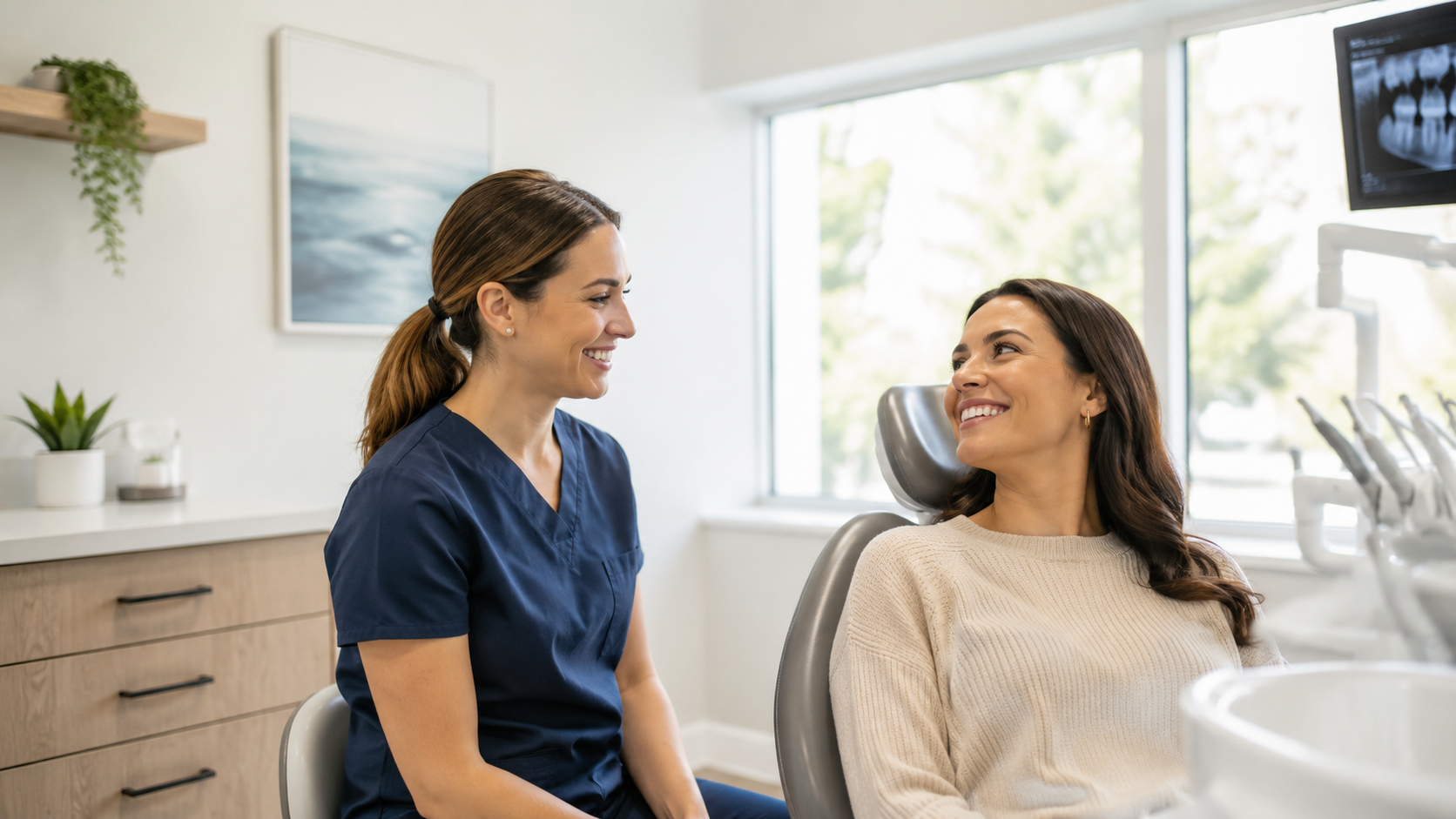
Cosmetic dentistry focuses on improving the appearance of the teeth, gums, and overall smile. It may address concerns such as discoloration, chips, gaps, uneven edges, worn teeth, misshapen teeth, or mild alignment issues.
Many cosmetic treatments also overlap with restorative dentistry. For example, a dental crown may improve the look of a tooth while also protecting it after damage or decay. Similarly, replacing a missing tooth can improve both appearance and chewing function.
The best cosmetic dentistry is often subtle. It should complement a patient’s face, feel comfortable, and support long-term oral health. A natural-looking result usually comes from careful planning, not from making every tooth look identical.
Common Reasons Patients Consider Cosmetic Dentistry
Every smile is different, but many patients seek cosmetic dental care for similar reasons. Some want a brighter smile before a wedding, graduation, job interview, or major life event. Others have lived with a chipped tooth or uneven spacing for years and finally feel ready to address it.
Common cosmetic concerns include:
- Yellow, stained, or dull-looking teeth
- Small chips or cracks
- Gaps between teeth
- Uneven tooth size or shape
- Worn edges from grinding or aging
- Crooked or crowded teeth
- Old fillings or crowns that no longer match
- Missing teeth that affect the smile
In San Jose, where people often balance busy work schedules, family life, and social commitments, patients may also value cosmetic options that are efficient, comfortable, and easy to maintain.
Professional Teeth Whitening
Teeth whitening is one of the most popular cosmetic dentistry options because it is straightforward and can make a noticeable difference for many patients. Over time, coffee, tea, red wine, berries, tobacco, and natural aging can leave teeth looking darker or less vibrant.
Professional whitening uses dentist-supervised products designed to lighten stains in tooth enamel. Depending on the dental office, patients may have access to in-office whitening, take-home trays, or a combination of both.
Who may be a good candidate?
Whitening often works well for patients with healthy teeth and gums who have yellow or surface-level staining. It may not be as effective on gray discoloration, dental crowns, veneers, bonding, or fillings, because those materials do not whiten the same way natural enamel does.
What should patients know?
Some patients experience temporary tooth sensitivity after whitening. A dentist can recommend ways to reduce sensitivity and help set expectations about how white the teeth can safely become. Whitening is not permanent, but good home care and regular dental visits can help results last longer.
Dental Bonding for Chips, Gaps, and Small Imperfections
Dental bonding is a conservative cosmetic treatment that uses tooth-colored composite resin to repair or reshape teeth. The dentist carefully applies the material, sculpts it, and hardens it with a special light. Bonding can often be completed in one visit, depending on the case.
Patients may consider bonding for small chips, minor gaps, uneven edges, or spots of discoloration. It can be a practical choice when the concern is limited to one or a few teeth.
Benefits of bonding
- Usually requires minimal enamel removal
- Often completed quickly
- Can blend with the surrounding teeth
- May be more affordable than some other cosmetic options
Limitations to consider
Bonding material can stain or chip over time, especially for patients who bite nails, chew ice, grind their teeth, or frequently drink dark beverages. It may need touch-ups or replacement in the future. A dentist can explain whether bonding is strong enough for a patient’s specific concern.
Porcelain Veneers for a More Complete Smile Makeover
Porcelain veneers are thin, custom-made shells that cover the front surfaces of teeth. They are often used to improve tooth color, shape, size, spacing, and symmetry. Veneers are a popular option for patients who want a more dramatic cosmetic change while still aiming for a natural appearance.
Veneers may be recommended for teeth that are stained, slightly misaligned, worn, chipped, or uneven. They are commonly placed on the upper front teeth, where the smile is most visible.
What makes veneers different from bonding?
Bonding is applied directly to the tooth with composite resin, while porcelain veneers are created outside the mouth and then bonded to the teeth. Porcelain tends to resist stains better than composite and can provide a highly polished, lifelike look. However, veneers typically involve more planning and may require some enamel reshaping.
Are veneers right for everyone?
Not always. Patients with active gum disease, untreated cavities, severe tooth grinding, or significant bite issues may need other care first. A dentist will evaluate the teeth, gums, bite, and smile goals before recommending veneers.
Clear Aligners for Straighter Teeth
Some cosmetic concerns are related to tooth position rather than tooth color or shape. Clear aligners can gradually move teeth into better alignment using a series of removable trays. Many adults and teens like aligners because they are less noticeable than traditional braces and can be removed for eating and brushing.
Clear aligners may help with mild to moderate crowding, spacing, or bite concerns. Straightening teeth can improve the smile’s appearance and may also make cleaning easier, which supports long-term oral health.
What is the patient commitment?
Aligners usually need to be worn for most of the day and night, except when eating, drinking anything besides water, brushing, or flossing. Patients also need periodic dental check-ins to monitor progress. The best results depend on wearing the aligners as directed.
Tooth-Colored Fillings and Cosmetic Replacement of Old Dental Work
Older metal fillings or worn dental restorations can sometimes make a smile look darker or uneven. Tooth-colored fillings use composite resin designed to blend with natural teeth. In some cases, replacing old or failing dental work can improve both appearance and function.
Patients should not replace dental work only for cosmetic reasons without understanding the pros and cons. If an old filling is stable and healthy, a dentist may recommend monitoring it. If it is cracked, leaking, worn, or surrounded by decay, replacement may be appropriate.
Dental Crowns for Damaged or Worn Teeth
A dental crown covers the visible portion of a tooth like a protective cap. Crowns are often used when a tooth is too damaged for a simple filling, has had root canal treatment, is cracked, or is severely worn. From a cosmetic perspective, a crown can improve the tooth’s color, shape, and strength.
Modern crowns can be made to look very natural. The dentist considers shade, shape, bite, gumline, and neighboring teeth when designing the restoration.
When might a crown be better than a veneer?
A veneer covers mainly the front of the tooth, while a crown covers more of the tooth structure. If a tooth is heavily damaged, weakened, or has a large existing filling, a crown may offer better protection. The right choice depends on how much healthy tooth structure remains.
Dental Implants, Bridges, and Dentures for Missing Teeth
Missing teeth can affect confidence, speech, chewing, and the way neighboring teeth shift over time. Cosmetic dentistry often includes tooth replacement because filling a gap can make a major difference in a patient’s smile.
Common tooth replacement options include dental implants, bridges, and partial or full dentures. Each option has different advantages, maintenance needs, and candidacy requirements.
- Dental implants replace the tooth root with a small post that supports a crown, bridge, or denture.
- Dental bridges use neighboring teeth or implants to support an artificial tooth.
- Dentures replace several or all missing teeth and may be removable or implant-supported.
A dentist can help patients compare comfort, appearance, durability, care routines, and total treatment steps before choosing a tooth replacement option.
Gum Contouring and Smile Balance
Sometimes the teeth are not the only part of the smile patients want to improve. The gumline also plays an important role in smile balance. Some patients feel their smile looks “gummy,” while others notice uneven gum heights around certain teeth.
Gum contouring may reshape excess gum tissue to create a more balanced appearance. In other cases, gum recession or periodontal concerns may need evaluation before cosmetic treatment. Healthy gums are the foundation for any beautiful smile.
Smile Makeovers: Combining Treatments for a Personalized Plan
A smile makeover combines two or more cosmetic or restorative treatments to achieve a patient’s goals. For example, one patient may benefit from whitening followed by bonding on a chipped tooth. Another may need clear aligners before veneers so the final result looks more balanced and conservative.
Smile makeover planning often includes photos, digital imaging, shade selection, bite evaluation, and a detailed conversation about what the patient likes and dislikes about their smile. Patients should feel comfortable asking questions and discussing priorities, whether that means a subtle refresh or a more noticeable transformation.
How to Choose Among Cosmetic Dentistry Options in San Jose, CA
With so many cosmetic dentistry options in San Jose, CA, choosing the right one can feel overwhelming at first. A helpful starting point is to identify the main concern. Is the issue color, shape, spacing, alignment, missing teeth, or old dental work?
Patients may also want to think about:
- Timeline: Is there an upcoming event, or is there time for a longer plan?
- Budget: What investment feels realistic, and are phased treatments possible?
- Maintenance: How much upkeep will the treatment require?
- Comfort: Does the patient prefer the most conservative option available?
- Longevity: How long is the treatment expected to last with proper care?
- Oral health: Are cavities, gum disease, or bite problems present?
A thorough cosmetic consultation helps connect these factors. The goal is not to push every patient toward the same treatment. It is to find an option that fits the person, the smile, and the health of the mouth.
What to Expect at a Cosmetic Dentistry Consultation
A cosmetic consultation is usually a relaxed, informative visit. The dental team may ask what the patient hopes to change, how long the concern has been present, and whether there are symptoms such as sensitivity, pain, or difficulty chewing.
The dentist may examine the teeth and gums, review dental history, take X-rays if needed, and discuss treatment possibilities. Patients can bring photos of smiles they like, but it is also important to understand that the best smile design works with a person’s natural features.
Good questions to ask include:
- Which options are most conservative for this concern?
- How long does treatment usually take?
- What are the risks or limitations?
- Will any dental health issues need treatment first?
- How should the results be maintained?
- What happens if a restoration chips, stains, or wears over time?
Caring for Cosmetic Dental Results
Cosmetic dentistry lasts longer when patients protect their oral health. Daily brushing, flossing, and regular dental cleanings help prevent stains, gum inflammation, and decay around restorations.
Patients can also help preserve results by limiting frequent dark-colored drinks, avoiding tobacco, wearing a nightguard if they grind their teeth, and not using teeth as tools to open packages. Even strong dental materials can chip or wear when placed under excessive force.
Preventive care matters because a healthy smile is always the best foundation for a beautiful smile.
Frequently Asked Questions About Cosmetic Dentistry
Is cosmetic dentistry painful?
Many cosmetic treatments are designed with patient comfort in mind. Whitening, bonding, and many consultations are typically straightforward. More involved procedures may require numbing or multiple visits. A dentist can explain what each step feels like and discuss comfort options before treatment begins.
How long do cosmetic dental treatments last?
Longevity depends on the treatment, materials, oral habits, and home care. Whitening may need periodic touch-ups, bonding may require maintenance, and veneers or crowns can last for many years with proper care. No cosmetic treatment lasts forever, so follow-up care is important.
Can cosmetic dentistry fix crooked teeth?
It depends on the severity and cause of the misalignment. Clear aligners may be a good option for many mild to moderate cases. Veneers or bonding may visually improve small irregularities, but they do not move the teeth. A dentist can recommend the healthiest approach.
Is teeth whitening safe?
Professional whitening is generally considered safe for appropriate candidates when supervised by a dental professional. Patients with cavities, gum disease, exposed roots, or significant sensitivity may need treatment or adjustments first.
Will veneers look natural?
Well-planned veneers can look natural when the shape, shade, size, and translucency are customized to the patient’s smile. Many patients prefer a bright but realistic look rather than an overly white result.
Does insurance cover cosmetic dentistry?
Dental insurance often does not cover treatment done only for cosmetic reasons. However, procedures that also restore function or treat disease may have partial benefits depending on the plan. Patients should review coverage details with their dental office and insurance provider.
What is the best cosmetic dentistry option?
There is no single best option for everyone. The right choice depends on the patient’s goals, oral health, budget, timeline, and the condition of the teeth and gums. A personalized consultation is the best way to compare options safely.
A More Confident Smile Starts With a Conversation
Cosmetic dentistry can be simple, comprehensive, or somewhere in between. Whether a patient wants a brighter smile, a small chip repaired, straighter teeth, or a full smile makeover, modern dentistry offers many ways to improve appearance while keeping comfort and oral health in focus.
For anyone comparing cosmetic dentistry options in San Jose, CA, the next step is a one-on-one consultation. A trusted dental team can listen to concerns, explain realistic choices, and help create a plan that feels comfortable and achievable. Patients are encouraged to ask questions, share their goals, and take the first step toward a smile they feel good about every day.